

Why this lesson matters
Lesson 1 mentioned that a meaningful chunk of your endgame power comes from the Atlas Passive Tree, not just gear — and that's true, but "here's a tree, allocate it" isn't enough to act on. This lesson covers what the tree actually is, and more importantly, where its points come from, since that turns out to be a more scattered system than a first read of most guides suggests. Getting this picture right matters early: a common mistake is rushing straight toward Fortress content and missing a third or more of the points available before you even get there.
The scale of the tree
The Atlas Passive Tree is a dedicated UI, entirely separate from your character's passive tree, with 311 points to allocate.
The tree splits into two broad kinds of nodes:
- Universal ("core") nodes — bonuses that apply to every map regardless of what mechanics you run: increased rare monsters, rare monster pack size, magic pack size, Tablet effect strength, and similar broad multipliers. Most guides recommend prioritizing these first, since they benefit literally everything you do afterward.
- Mechanic-specific branches — dedicated clusters for Abyss, Breach, Delirium, Ritual, and the other 0.5 systems. These are opt-in: you can skip a mechanic's cluster entirely if you don't plan to engage with that content, and several guides explicitly recommend doing exactly that (e.g., holding off on Breach nodes until you can survive Breach encounters comfortably, rather than allocating them speculatively).

Where the points actually come from
It's not just "clear Fortress maps." Six distinct sources feed the tree:
Nexus of Corruption completions — the single biggest chunk of early points. Defeat the Corrupted Boss that spawns after a map's boss, at Waystone Tiers 1, 3, 6, 9, 12, and 15 — six clears, 5 points each, 30 points total.
Unique Map completions — first-time clears of 5 different Unique Maps (identifiable by a distinctive orange Atlas icon), 2 points each, 10 points total. Together with Nexus of Corruption, that's 40 points available before you touch Fortress or any league mechanic at all.
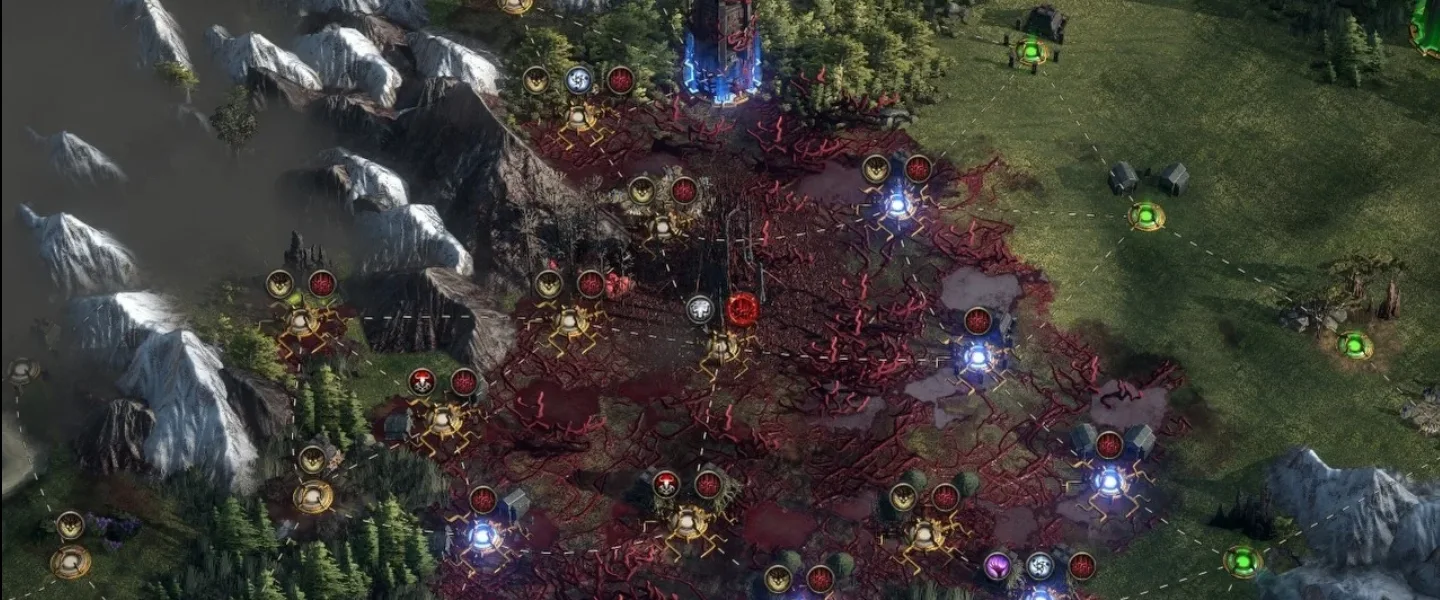
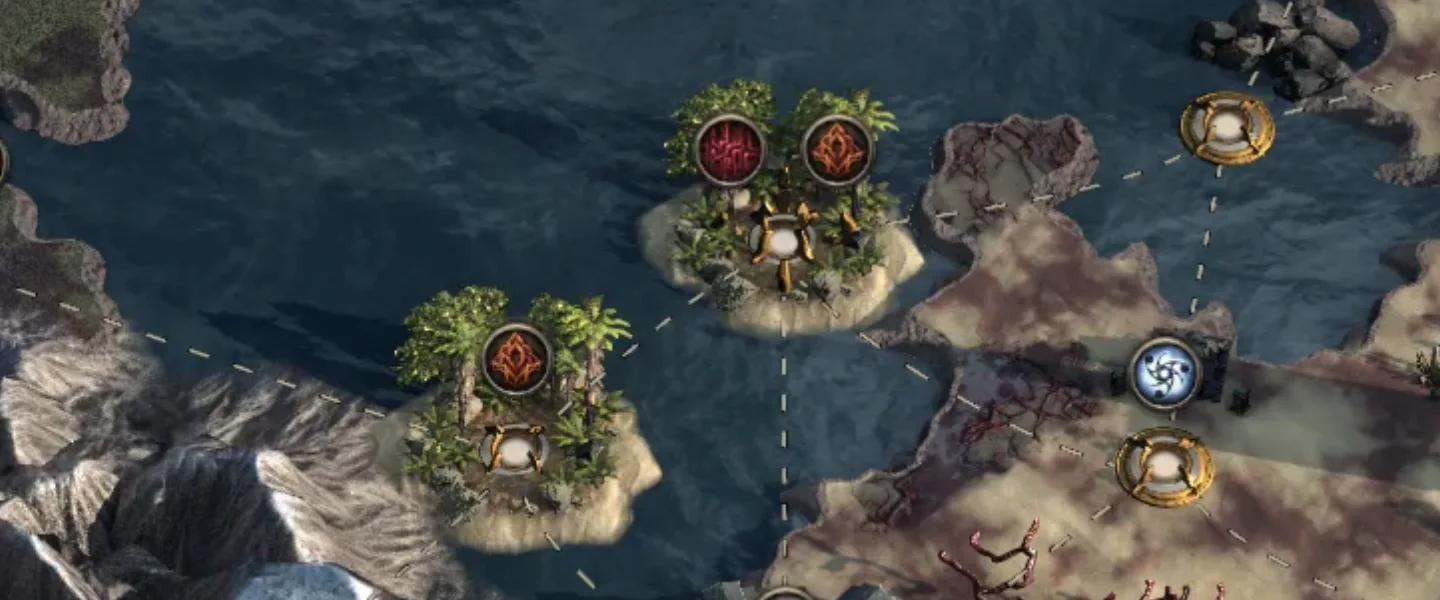
Fortress maps and Precursor Towers — 1 point per standard Fortress map cleared. A Precursor Tower is worth more — 4 points per Tower — always worth the detour over a standard map.
Arbiter of Divinity kills — each of the 5 required kills unlocks an entire regional cluster of points on the tree, rather than handing you a flat point total to allocate node-by-node yourself.
Master questlines — side progression through Doryani, Jado, and Hilda (see the Masters of the Atlas lesson) each contribute their own points as you advance them, separately from anything above.
Each league mechanic's own zone progression — Breach, Ritual, Delirium, Abyss, and the others each unlock points tied to their own questline advancement, independent of Fortress entirely. You don't need to touch Fortress at all to start earning points from, say, the Breach storyline's own progression.
There's no respec to worry about — the tree is meant to fill completely
Unlike your character's passive tree, the Atlas Passive Tree isn't a set of permanent either/or tradeoffs. Every source describing it agrees on the design intent: follow a sensible order and you'll eventually allocate all 311 points — nothing you take early locks you out of anything later. The one exception is MultiChoice nodes, which toggle between mutually exclusive options (for example, a boss-buff variant versus a difficulty-adjustment variant) rather than being a straight allocation — those swap freely at any time, closer to the Masters of the Atlas hot-swap system than to a respec.
That reframes what the priority order below is actually for: it's not about avoiding a mistake you can't undo, it's about getting the bonuses that make your next hundred maps easier — up front, rather than at the end.
A phased priority order
- Tier 1–5: put your first ~6 points into waystone tier-up chance (a percentage chance for a Waystone to drop one tier higher than it normally would) to avoid stalling out on low tiers while you're still broadly exploring the outer Atlas.
- Tier 6–10: spend around 10 points on sustain — Essence-related nodes (consistent, low-variance) and map-clear-speed nodes (Shrine-related) are the two most commonly recommended categories here.
- Tier 11–15 — the phase that actually matters most: fully sweep the outer Atlas ring, including Nexus of Corruption and Unique Map completions, before moving linearly toward Fortress/Citadel content. This is the step most new players skip by rushing straight toward Fortress, and it's reportedly where 30–45% of the "core" point budget gets left uncollected if you don't. Aim to have 34–40 points banked before you commit to a linear Fortress push.
- Tier 15+: only now move linearly toward Fortress/Citadel content, since your outer-ring points are already secured.
Beyond this phased structure, allocation priorities differ by what you're optimizing for: players newer to the Atlas tree should lean on waystone tier-up chance and broad quantity nodes; players optimizing for currency should target rarity nodes; and it's worth explicitly avoiding Breach-specific nodes until you can comfortably survive Breach encounters, rather than front-loading them speculatively. Resistance caps come first regardless of which of these you're optimizing toward.
What to read next
- Waystones & Tablets — the map-tier and modifier system this tree's universal nodes modify
- Fortress → Arbiter of Divinity — full detail on the Fortress-specific point sources and the 5-kill Arbiter sequence mentioned above
- Masters of the Atlas — Doryani/Jado/Hilda questline progression and its own point contribution
Practical tips
- Don't rush linearly toward Fortress on your first Atlas session. Sweeping the outer ring for Nexus of Corruption and Unique Map completions first is the difference between banking most of your early points and leaving a third of them on the table.
- You're not locked out of anything by allocating "wrong" early — the tree is meant to fill completely. Sequence for what helps now, not out of fear of a permanent mistake.
- You don't need Fortress progress to start earning Atlas points — each league mechanic's own questline contributes independently. If Fortress content feels rough early, it's reasonable to build points elsewhere first.
- Cap resistances before specializing into anything else, and hold off on Breach-specific nodes until you can survive a Breach encounter comfortably.
Sources: Mobalytics — Atlas Passive Points and How to Get Them · kami-labs.fr — PoE2 Atlas Guide 0.5: Unlock All 311 Passive Points · Switchblade Gaming — Atlas Progression Guide · domistae — PoE 2 Endgame Guide (0.5) · Official GGG Forum — 0.5.0 Patch Notes